Editorial illustration. · Elara Care · AI-assisted illustration
Vaginal thrush is a very common condition that is experienced by approximately 75% of women at least once in their lifetime.
For some, it can be a passing irritation easily cured with over-the-counter remedies, while for others it can be a chronic condition that can have an impact on the quality of life.
This article will give you everything you need to know about vaginal thrush, including causes, symptoms, treatments, and other widely asked questions about thrush.
What is vaginal thrush?
Vaginal thrush is a type of yeast infection found in the vagina/vulva, which is mainly caused by the overgrowth of a fungus known as Candida Albicans.
It is very natural to have fungus and bacteria living in your vagina, however, there are certain occasions where the good bacteria (known as Lactobacillus) loses control over Candida Albicans (fungus) leading to vaginal thrush.
What does vaginal thrush look like?
Vaginal Thrush looks like think white cottage cheese-like discharge and can have a strong smell or no smell at all.
What are the symptoms of vaginal thrush?
The various symptoms associated with vaginal thrush is as given below
White-colored vaginal discharge (often like cottage cheese), which does not usually smell
itching and irritation around the entrance of the vagina (itchy labia).
soreness and stinging during sex or when you pee
When are you most likely to get vaginal thrush?
There are times when you might be more prone to getting Thrush, some of which include:
If you are pregnant
If you have finished a course of antibiotics
If you have diabetes
If you are on your period
If you take birth control pills
If you have an HIV infection
What causes vaginal thrush?
There are various types of microbes, including bacteria, viruses, and fungi, that live in the skin and mucous membranes of our bodies in a balanced state. This state is simply called the normal flora of the body.
When this delicate balance gets disturbed or compromised, some of these microbes can overgrow.
In this case, the fungus 'Candida', which is primarily found residing on the skin and inner lining of the gut, genital and urinary tract, is beneficial for our health as long as it is in a balanced state.
But when the balance is broken, it will quickly cause an infection leading to vaginal thrush.
It’s also worth noting that around 20% of women have higher amounts of candida and are therefore more likely to get a vaginal thrush infection.
Can sex cause vaginal thrush?
Even though there are many complaints from women that their thrush has developed or worsened after having sex, Vaginal thrush is not a sexually transmitted disease.
However, it’s worth paying attention to the lubricants and condoms you are using as these may alter the vaginal PH. A better explanation for this is given in the next question.
If your vagina is dry or tight during sex, penetration can cause small tears on the vulva or vagina.
These tears can then enable the Candida fungus to invade the tissue and overgrow, causing infection.
Can lube cause vaginal thrush?
Yes, your choice of lube and overusing, could potentially lead to vaginal thrush.
Glycerin is one of the most commonly used ingredients in lubes, which can act as a food source for the Candida fungus to overgrow.
Low-quality lubes can also have ingredients that irritate the vagina leading to pH imbalance and at times even promoting vaginal dryness.
Be sure to read the label thoroughly when shopping for lube.
Can antibiotics cause vaginal thrush?
If you are taking antibiotics long-term to treat a bacterial infection, it is worth noting that this will not only kill the harmful bacteria but also the good bacteria in the normal flora.
This can lead to an imbalance in the microbes of the normal flora, thereby leading to an overgrowth of the Candida fungus.
Can douching cause vaginal thrush?
Douching is the process of flushing out the vagina with water or other fluids such as bleach and vinegar, to ‘clean it out.
This is not a necessary practice and can potentially lead to an overgrowth of harmful bacteria thereby breaking the natural balance of the normal flora.
Many doctors recommended not to douche due to this reason. Douching is also linked to an increased risk of pelvic inflammatory disease, and other STIs.
Many women practice douching due to false beliefs that it can help prevent infection or that it’s good for their hygiene. This can translate into douching before or after sex to ‘cleanse’ the vagina.
There are many complex reasons why beliefs like this persist, not in the least due to social pressures from physicians, partners, and the media.
Does vaginal thrush cause bleeding?
Yes, Vaginal thrush can cause several symptoms, including bleeding.
Spotting or light bleeding is usually nothing to worry about. Tears, cracks, or sores in the vaginal tissue due to frequent thrush infections can be the reason behind this.
However, if your bleeding continues even after the infection clears, or if your bleeding is heavy, then you should consult a medical professional. This may be a sign of a different underlying condition.
How do you get rid of vaginal thrush?
Most thrush medicines are available over the counter in a pharmacy without a prescription. It should help clear out the infection within 7 to 14 days of starting treatment.
They can come in the form of tablets or vaginal creams or pessaries(A pessary is a tablet that you put into your vagina, usually at night).
The best way to soothe irritation is to start your treatment. Look for anti-fungal creams meant to treat yeast infections at your local pharmacy or supermarket that sells over-the-counter medication.
Use it 2-3 times a day on the affected area for up to 2 weeks. You can apply these to your labia (the lips outside your vagina) but make sure not to insert them into your vagina.
Some people find using coconut oil or yogurt on the external areas that are irritated, soothing as they can help reduce itchiness while the treatment takes effect.
What is the best treatment for vaginal thrush? tablets, creams, or pessaries?
Tablets, creams, and pessaries will all work the same way for vaginal thrush. But there are differences in their side effects.
Tablets may make you feel sick, and give you diarrhea or a headache.
Creams can have side effects such as stomach pain, bloating, and spotting/bleeding.
Pessaries can cause some irritation to the area and a discharge.
Whatever treatment you choose, it’s really important to finish the full course of your treatment or there’s a high probability that the yeast infection may come back.
If these treatments haven’t helped, your doctor might perform a swab test to assess if you are experiencing a yeast infection or another type of infection.
The swab test is only usually necessary if:
you’re at risk of having a different infection
your treatment hasn’t worked
your symptoms keep coming back
Does vaginal thrush go away on its own?
If you are experiencing mild symptoms of vaginal thrush as mentioned before, there can be chances that it may just go away without treatment
If you’re not pregnant and you know that your symptoms are caused by a yeast infection, you can treat it yourself with over-the-counter antifungal medicine.
Even then, it is advised to take an appointment with your doctor just to be sure.
What can you do to help avoid getting vaginal thrush?
There are a number of things you can do to help you avoid getting vaginal thrush.
Avoid using soap around your genital area.
Instead, use water or non-perfumed moisturizing cream. You could also try using an emollient cream or ointment such as E45 on the skin outside your vagina.
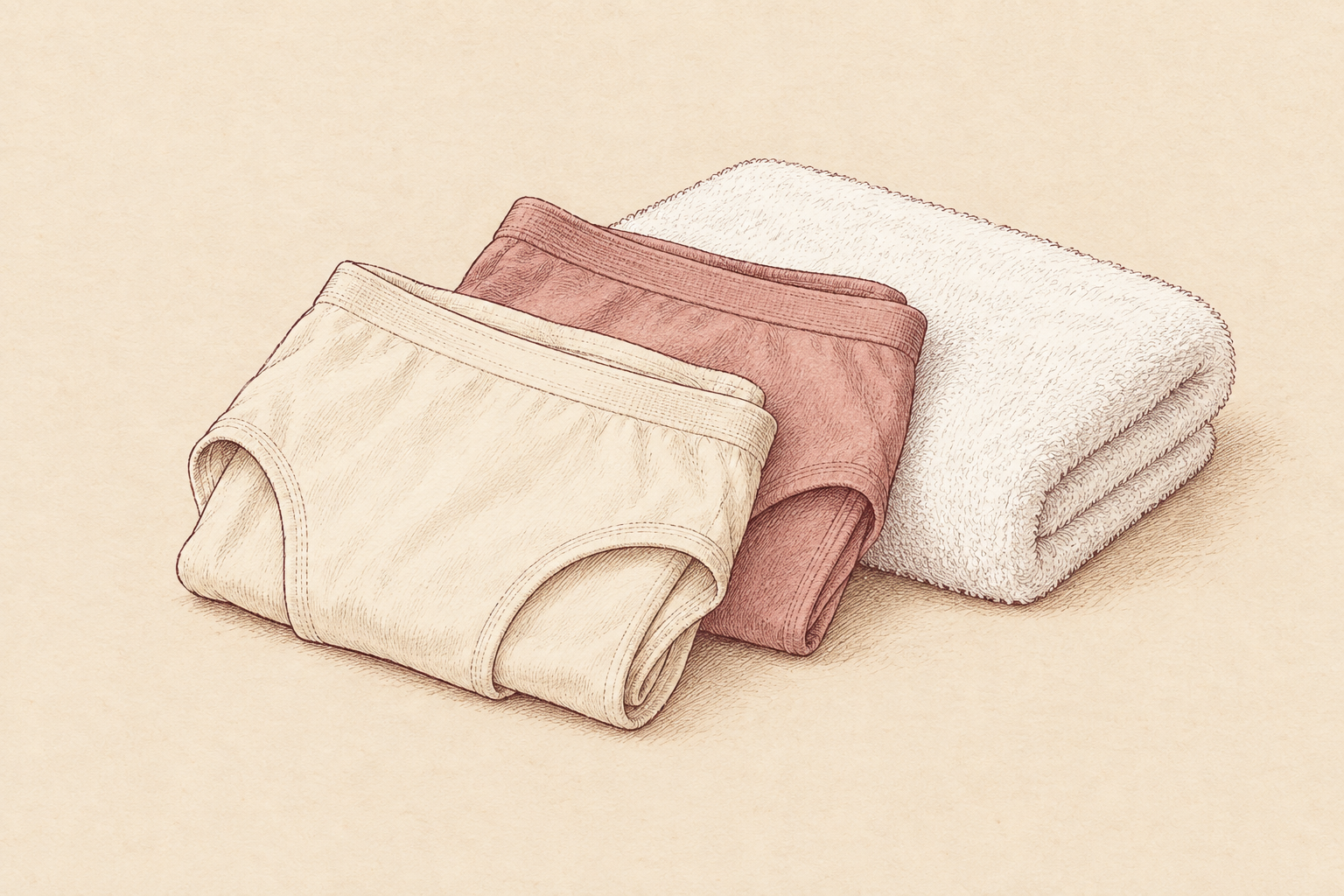
Stick to loose clothing and cotton underwear
Although there isn’t a lot of research behind this, Doctors do suggest that tight clothing could be a factor as aeration is important to avoid creating the right conditions for Thrush to thrive.
Can I have sex when I have vaginal thrush?
It is advised not to have sex if you are experiencing vaginal thrush.
Vaginal thrush is not an STI, but having sex can be uncomfortable. Penetration can aggravate inflamed tissue, as well as increase itching and irritation and you may experience a burning sensation during or after sex.
It’s worth noting that, inserting anything into the vagina like a sex toy, finger, or tongue while having vaginal thrush can introduce new bacteria. This may make your infection more severe.
Why do I keep getting thrush?
It’s estimated that around 20% of women are prone to yeast infections (aka Thrush). It is not yet clear why some women experience recurrent Thrush, however, some theories are:
It is very important to complete your full course of medication. Failing to do so can keep making the thrush come back again.
Up to 2 out of 10 women can face a different strain of the Candida fungus also known as Candida glabrata which is resistant to treatment.
Other medical conditions can also lead to thrush coming back. For example, If you have diabetes and don’t get it under control, you might keep getting thrush.
Yet despite these possible reasons, for half of the women who get recurrent thrush, there’s no apparent reason why.
If you continue to have problems, go and visit your GP or sexual health clinic to get support and advice. They may prescribe a treatment that you take for longer, or look for other things that might be causing your symptoms.
Are there any home remedies for vaginal thrush?
There isn’t any scientific research and evidence to suggest that the following home remedies are effective in treating vaginal thrush, However, they could give you relief if you are only experiencing mild symptoms.
Coconut oil
Coconut oil has antifungal properties and has been shown to combat Candida Albicans yeast. Raw organic coconut oil can be applied internally or externally to ease symptoms.
Warmed coconut oil can also be used as a carrier oil for more powerful antifungal essential oils, including tea tree oil.
Natural Yogurt
Natural, unsweetened, non-flavored yogurt contains beneficial bacteria, called probiotics. These contribute to health and help restore the balance of bacteria and yeast in the body.
It has been theorized that eating yogurt rich in lactobacilli or even directly applying it vaginally may rectify this imbalance. However, the evidence for these approaches is poor.
If you are going to experiment with yogurt, make sure you use one with no sugars as that could make the situation worse and even result in a urinary tract infection.
Boric acid
Boric acid is a weak acid available usually as a pessary (an insertable, dissolvable pill) as a treatment for thrush. Boric acid disrupts a favorable environment for yeast growth by destroying yeast enzymes and killing the cells off.
A systematic review of all studies comparing boric acid to conventional treatments found that boric acid is a safe and effective alternative treatment for women with chronic thrush.
However, it’s important to be aware that, as an acid, this therapy can cause temporary irritation, burning sensations, watery discharge, and redness to the applied area. Typically, an effective treatment course runs from one to two weeks.
NICE, Candida – female genital, Clinical Knowledge Summary, National Institute for Health and Care Excellence, May 2017 [online] (accessed 23 October 2020)
Founder of Elara Care and O.A. Dip. Certified Women's Health Practitioner, Jas is working to create better solutions for women since 2018, sharing her struggles and experiences with female health