Whether it’s menstrual cramps, painful disorders, or other period-related pain, talking about these types of pains helps break the silence and can improve education on this topic. Take a glance, as we explain everything you need to know about period pain
There are many topics around female reproductive health that are often not spoken about, period pain is one of them.
However, avoiding these conversations means that women are more likely to suffer in silence instead of getting the help they need. Being the best female health companion, we see it time and time again.
There are so many stories of women who ‘put up’ with the pain for years because they believed it was ‘just part of having a period’.
The technical term for period pain is dysmenorrhea. It derives from an ancient Greek expression that literally means ‘difficult monthly flow’.
What is period pain?
Most women will experience period pain on a monthly basis or at some point in their lives. The pain normally appears in the lower abdomen in the form of throbbing cramps.
There may also be other symptoms of period pain such as lower back pain, nausea, diarrhea, and headaches.
The pain can at times appear in intense spasms, while at other times it may be dull but more constant.
It may also vary with each monthly period. Some periods may cause little or no discomfort, while others may be more painful.
Note – period pains are not the same as premenstrual syndrome (PMS). PMS causes many different symptoms, including weight gain, bloating, irritability, and fatigue. PMS often starts one to two weeks before your period does.
What causes period pain?
Period pain occurs when the muscular wall of the womb contracts. Throughout the month, mild contractions are continuously passing through the womb, however, they are so light that they often go unnoticed.
During your period, the wall of the womb starts to contract more vigorously to encourage the womb lining to shed away. Every time the womb contract, it compresses the blood vessels lining the womb, eventually releasing chemicals that trigger pain.
While your body is releasing these pain-triggering chemicals, it’s also producing other chemicals called prostaglandins. These encourage the womb muscles to contract more, further increasing the level of pain.
We still don’t know why some women experience more period pain than others.
There are two types of period pain
Primary dysmenorrhea: This commonly occurs in teenage girls and young women, toward the beginning of their menstrual life. The pain is mainly in the lower part of the abdomen but can go into the back and down the front of the thighs. Some women feel nauseated at the same time. It is a perfectly natural condition and for many women is simply a mild monthly discomfort.
Secondary dysmenorrhea: This may not start until your mid-twenties or later. It is unlikely to cease after childbirth. The pain is not restricted to the “time of the month” bleeding and can occur throughout the cycle. Periods may become heavier and more prolonged, and intercourse may be painful. Secondary dysmenorrhea can be a sign of other conditions, including pelvic infections, which may need urgent attention. If you start to experience period pain as an adult you should not hesitate to consult a GP.
Medical conditions that can cause period pain
Endometriosis: where cells that normally line the womb start to grow in other places, such as in the fallopian tubes and ovaries; these cells can cause intense pain when they are shed.
Fibroids: non-cancerous tumors that can grow in the womb and can make your periods heavy and painful.
Pelvic inflammatory disease: where Your womb, fallopian tubes, and ovaries become infected with bacteria, causing them to become severely inflamed.
Adenomyosis: where the tissue that normally lines the womb starts to grow within the muscular womb wall, making your periods particularly painful.
Intrauterine device (IUD): a type of contraception made from copper and plastic that fits inside the womb. It can also sometimes cause period pain, particularly during the first few months after it’s inserted.
Worth noting that, if your period pain is caused by an underlying condition, you may also experience the:
See your GP if you experience any of these symptoms.
How long does period pain last?
Period pain usually starts when your period starts although you may experience pain several days before you start bleeding. Period pain that doesn’t have an underlying cause tends to improve as a woman gets older.
The pain normally lasts 48 to 72 hours, although it can last longer. It’s usually at its worst when your bleeding is heaviest.
How can I reduce period pain?
Over-the-counter painkillers: such as ibuprofen and aspirin help manage your pain. You could also try paracetamol, but studies have shown that it doesn’t reduce pain as effectively as ibuprofen or aspirin. Note – don’t take ibuprofen or aspirin if you have asthma or stomach, kidney, or liver problems. Aspirin shouldn’t be given to anyone under 16 years of age.
Increase magnesium in your diet: Getting enough magnesium can help regulate nerve and muscle functions, among other vital tasks. The recommended dietary allowance of magnesium for women of childbearing age is about 320 mg daily. An ounce of dry almonds or one-half cup of boiled spinach each has about 80 mg.
Boost endorphins with exercise: Though the last thing you probably want to do when experiencing period pains is exercise, a report published in the Journal of Family Reproductive Health indicates that both aerobic exercise and stretching can help soothe period cramps.
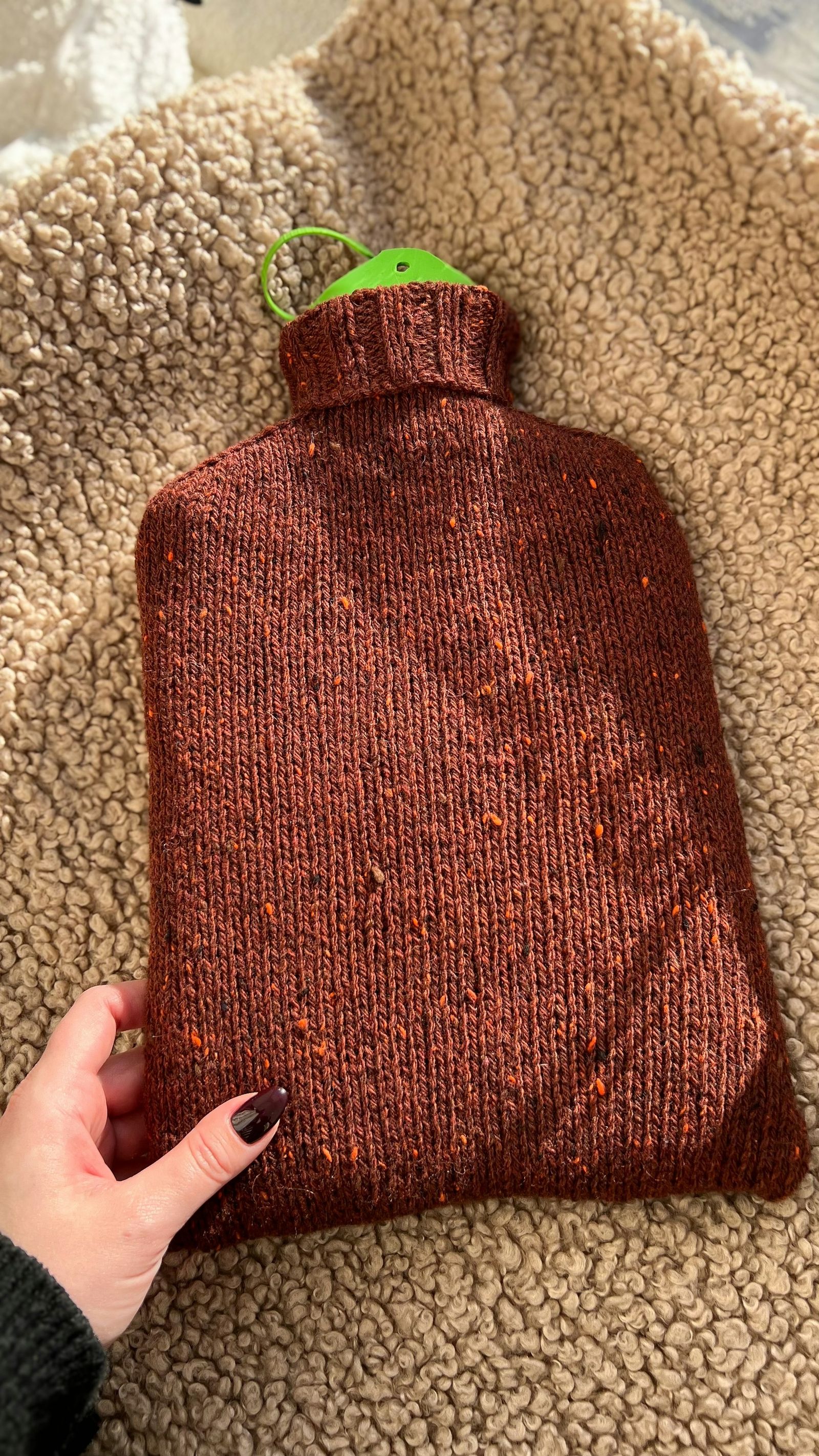
Use a hot water bottle or heating pad: A study found that topically applied heat is just as effective as taking ibuprofen.
Lifestyle changes to help with period pain include:
Reduce unhealthy fats from your diet: Research has shown that reducing fats and increasing vegetables in your diet may help reduce period cramps. Trying to achieve a healthier diet? To start, swap out less healthy fats like the saturated fats found in animal products, and choose healthier ones like unsaturated fats found in olive oil, avocados, flax seeds, hemp seeds, etc.
Take fatty acids: These can be found in fish oil or vegan essential fatty acids, and help by reducing the inflammation caused by the prostaglandins.
Avoid sugar: Sugar is inflammatory, so reducing your sugar intake (ideally avoiding it completely) could significantly help reduce period pains according to Natasha Richardson, a medical herbalist at Forge Botanics.
When should you see your GP for period pain?
If you have severe period pain or your normal menstrual patterns change, for example, if your periods become heavier than usual or irregular, you should see your GP.
You should also see your GP if you have any symptoms of the medical conditions mentioned above.
Possible solutions for period pains prescribed by your GP
As noted on the NHS website regarding painful periods
The Pill
Your GP may try you on the combined oral contraceptive pill. This can ease period pain because it thins the womb lining and reduces the amount of prostaglandin your body releases. A thinner womb lining means the muscles of the womb don’t have to contract as much when it sheds as part of your monthly menstrual cycle. Your period will also be lighter.
Pelvic examination
Your GP may want to carry out a pelvic examination to help diagnose or rule out other conditions. They’ll insert gloved, lubricated fingers into your vagina to feel for any abnormalities in your womb or ovaries.
Pelvic examinations are only carried out by qualified healthcare professionals, such as GPs or gynecologists.
The examination won’t be carried out without your permission (consent). You can also choose to have a friend or relative present, or a practice nurse to act as a chaperone.
Ultrasound
In some cases, your GP may also order a pelvic ultrasound, which will clearly highlight any abnormalities.
Referral to a specialist
If your period pain hasn’t been controlled after three months of treatment with painkillers or the combined contraceptive pill, your GP may refer you to a specialist.
This is for further investigations to rule out an underlying medical condition.
Can period pain affect fertility?
Period pain that’s part of your normal menstrual cycle won’t affect your fertility. However, if the cause is an underlying condition, this may affect your fertility.
For example, endometriosis and pelvic inflammatory disease can cause scarring and a build-up of tissue in your fallopian tubes, making it harder for sperm to reach and fertilize an egg.
If you suffer from strong period pains, don’t ignore them. There are a number of different home remedies you can try to alleviate some of the pain, however, if nothing works, you should consult your doctor.
Founder of Elara Care and O.A. Dip. Certified Women's Health Practitioner, Jas is working to create better solutions for women since 2018, sharing her struggles and experiences with female health